You will get dropped off in darkness on an uneven path filled with ancient stones, a torch will be required to see where you are going. Arriving early is crucial to secure a good viewing spot, it can be a little spooky at first if you are alone in the darkness as you see distant lights coming into view one minute and in the blink of an eye they have disapeared into the darkness again.
Everything is calm and serene, then monkeys start howling and birds will be chirping, grasshoppers and crickets clicking and the low hum of people whispering and chatting coming towards you through the darkness.
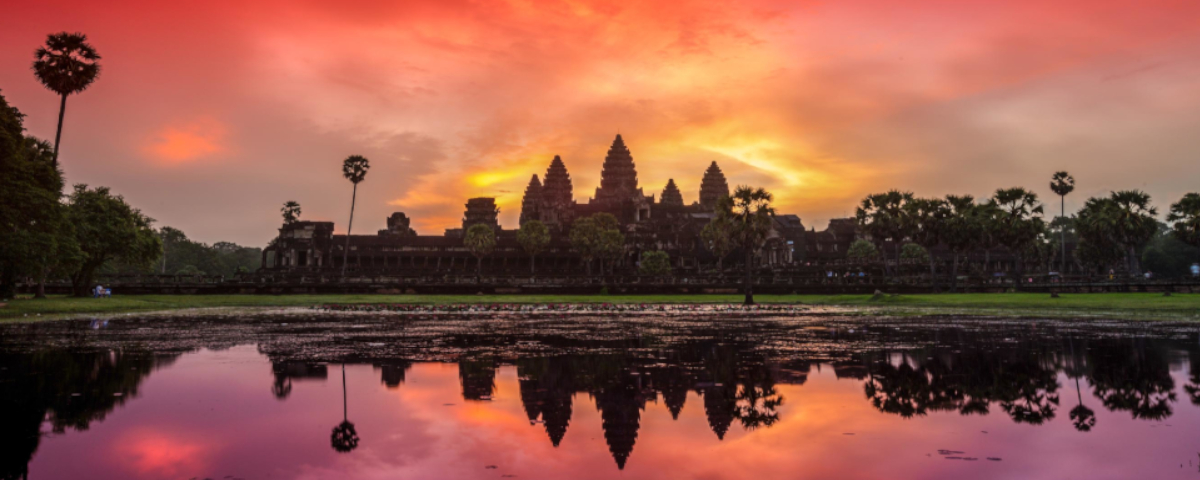
As the sun rises, the temple’s silhouette against the colourful sky creates a magical atmosphere. The serene environment, combined with the sounds of nature awakening, makes for a truly spiritual moment. The reflection on the lake is very special and it looks as if the temple is floating in a dreamlike state. Enjoy the moment!
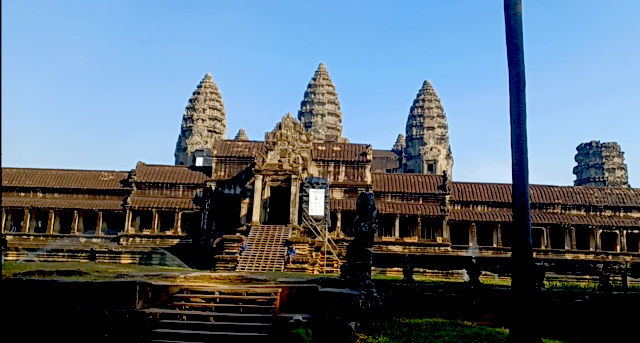
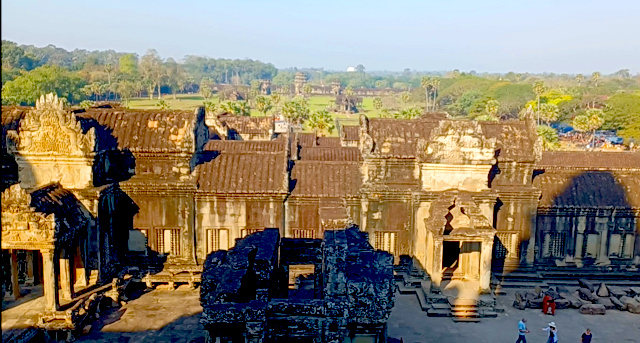
Overview of Angkor Wat: A UNESCO World Heritage Site.
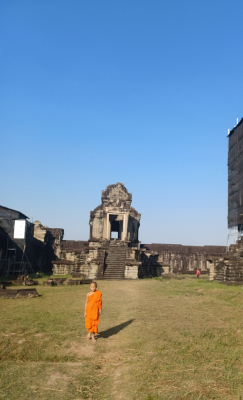
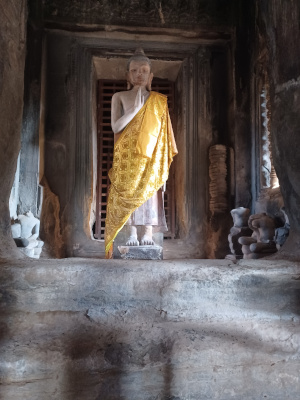
Angkor Wat, located in Cambodia, is one of the most iconic and well-preserved temple complexes in the world. Recognised as a UNESCO World Heritage Site, it attracts millions of visitors each year who come to marvel at its stunning architecture and rich history. Originally built in the early 12th century as a Hindu temple dedicated to the god Vishnu, it later transformed into a Buddhist temple, reflecting the region’s cultural evolution.
The construction of Angkor Wat is a remarkable feat of engineering and artistry. The temple was primarily built from sandstone, quarried from a site located about 50 kilometres away. Massive blocks of sandstone, some weighing several tons, were transported to the site and meticulously assembled to create the temple’s intricate structures.
In addition to sandstone, builders used laterite, a porous rock that helps regulate temperature, keeping the interiors cooler in the tropical climate. This combination of materials not only contributed to the temple’s durability but also enhanced its aesthetic appeal, allowing for the creation of detailed carvings and sculptures that depict scenes from Hindu mythology.
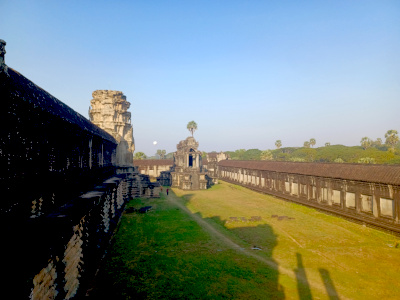
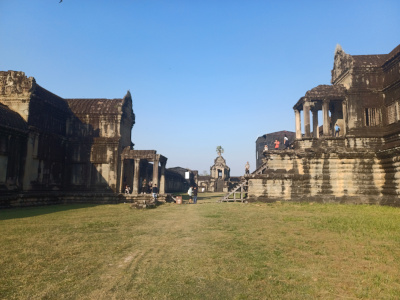
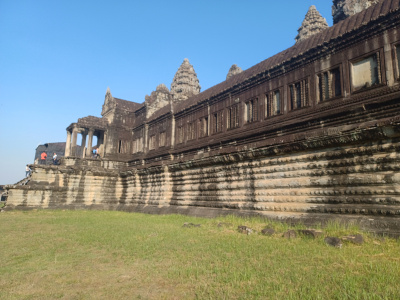
The Temple Peaks of Angkor Wat: Symbolism and Significance.
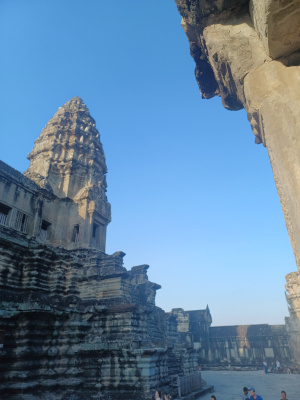
The iconic peaks of Angkor Wat are one of its most distinguishing features, representing the sacred Mount Meru, which is central to Hindu and Buddhist cosmology. Mount Meru is considered the axis of the universe, the centre of all physical and spiritual worlds, and is often depicted as a mountain surrounded by oceans.
Angkor Wat’s design includes five towers, with the central tower symbolising Mount Meru and the four surrounding towers representing the mountain’s surrounding mountain ranges. This architectural choice reflects the builders’ deep spiritual beliefs and their desire to create a temple that embodies the connection between the earthly realm and the divine.
The temple peaks also serve as a visual representation of the Khmer Empire’s power and ambition. The grandeur of the structure, with its soaring towers, was intended to inspire awe and reverence among visitors, reinforcing the temple’s role as a significant religious and cultural site. The peaks are not only a testament to the architectural prowess of the Khmer builders but also a symbol of their devotion to their faith and the cosmos.
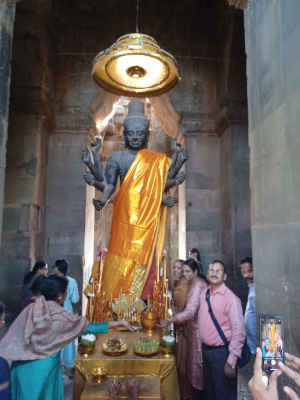
The Intricate Carvings of Angkor Wat: Apsara Dancers and Their Relevance.
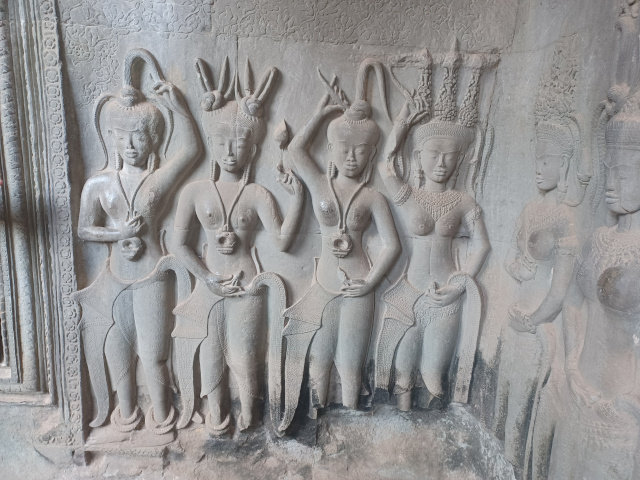
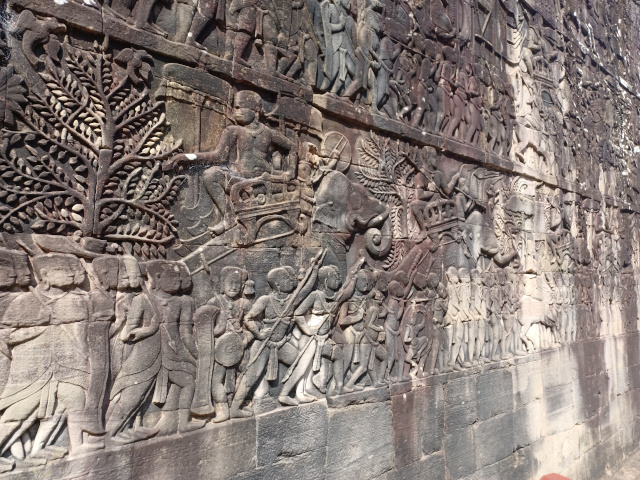
One of the most captivating features of Angkor Wat is its intricate carvings, which adorn the walls and pillars of the temple. Among these, the Apsara dancers stand out as a significant representation of Khmer art and culture. Apsaras are celestial nymphs in Hindu and Buddhist mythology, often depicted as beautiful, graceful dancers who embody the essence of divine femininity.
The carvings of Apsara dancers at Angkor Wat showcase their elegance and poise, with each figure intricately detailed to highlight their flowing garments and delicate features. These carvings serve multiple purposes: they are not only decorative but also convey spiritual and cultural narratives. The presence of Apsaras in the temple symbolises the connection between the earthly realm and the divine, as they are believed to serve and entertain the gods.
Exploring the Surrounding Temples.
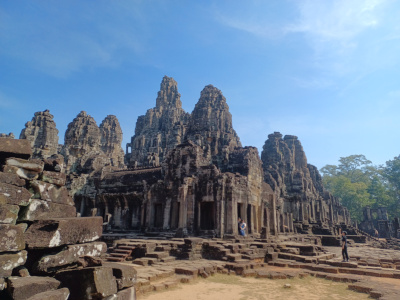
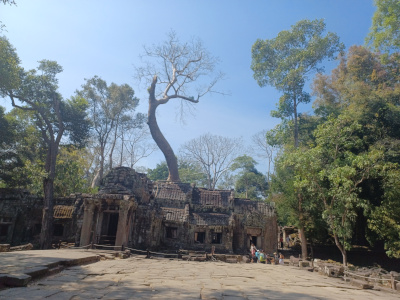
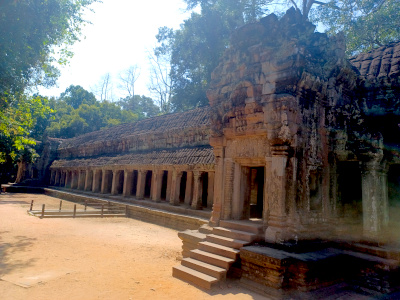
While Angkor Wat is the main attraction, the surrounding temples are equally fascinating. Consider visiting:
- Bayon Temple: Known for its massive stone faces and intricate carvings.
- Ta Prohm: Famous for its tree-covered ruins, blending nature and architecture.
- Banteay Srei: Renowned for its detailed pink sandstone carvings.
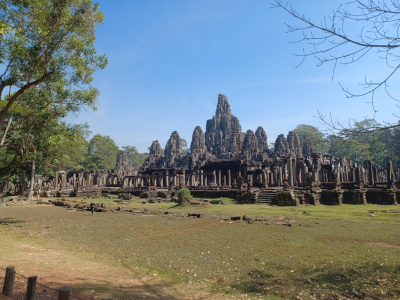
Respecting Local Customs and Traditions.
When visiting Angkor Wat, it’s essential to respect local customs and traditions. Dress modestly, covering shoulders and knees, as a sign of respect for the sacred site. Be mindful of your behaviour and always ask for permission before taking photos of locals or sacred objects.
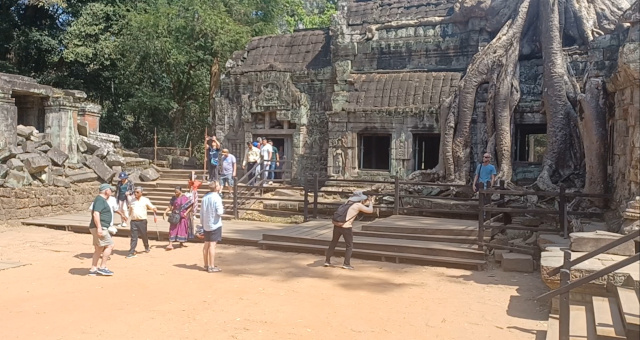
Tha Phrom Temple : Tomb Raider Temple
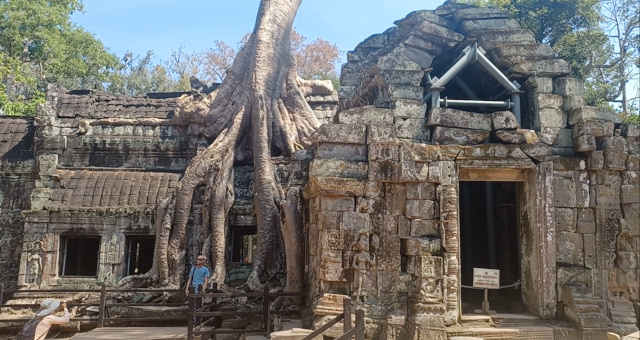
Tha Phrom Temple
Purchasing Entrance Tickets.
Entrance tickets to Angkor Wat must be purchased off-site at the official ticket office, which is located a short distance from the temple complex. It’s important to buy your tickets in advance, especially if you plan to arrive early for the sunrise. The ticket office opens at 5:00 AM, allowing you to purchase your ticket before heading to the temple.
There are several ticket options available:
- One-Day Pass: This ticket allows you to explore Angkor Wat and other temples in the area for one day. It is ideal for those who want to focus on the main attractions.
- Three-Day Pass: This option provides access to the temples over three consecutive days, giving you more time to explore the vast Angkor Archaeological Park at a leisurely pace.
- Seven-Day Pass: For those who wish to delve deeper into the history and culture of the region, the seven-day pass allows for extended exploration over a week.
Arranging Transportation.
Once you have your ticket, you’ll need to arrange transportation to Angkor Wat. There are several options to consider:
- Tuk-tuk: Hiring a tuk-tuk is a popular choice for tourists. It offers a unique and open-air experience, allowing you to enjoy the scenery as you travel to the temple. Negotiate a price with the driver in advance, and consider booking them for the entire day to explore multiple temples.
- Private Car: For a more comfortable experience, you can hire a private car with a driver. This option is ideal for groups or families who prefer a more spacious and air-conditioned ride.
- Bicycle: For the adventurous, renting a bicycle allows you to explore the area at your own pace. Many rental shops in Siem Reap offer bikes for a reasonable price, and cycling to Angkor Wat can be a rewarding experience.
- Guided Tours: Many tour operators offer guided sunrise tours that include transportation, a knowledgeable guide, and sometimes breakfast. This option can enhance your experience by providing insights into the history and significance of the temple.
Tips for a Memorable Group Tour.
To enhance your group tour experience, consider the following tips:
- Stay Together: Keep the group together to ensure everyone enjoys the experience and doesn’t miss out on key sights.
- Listen to Your Guide: Guides provide valuable information and context, enriching your understanding of the site.
- Be Respectful: Remember to be respectful of the temple and its significance to the local community.
Best Time to Visit Angkor Wat.
The best time to visit Angkor Wat is during the dry season, which runs from November to February. The weather is cooler and more comfortable for exploring the temples. However, sunrise tours are popular year-round, so be prepared for crowds, especially during peak tourist seasons.