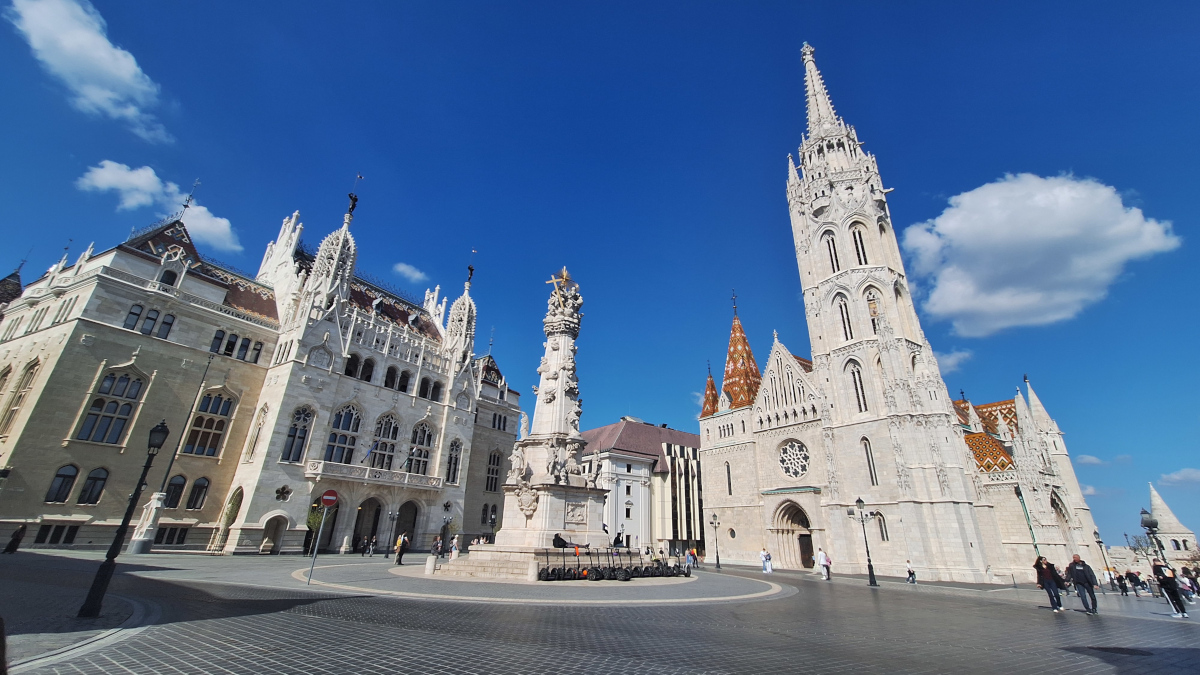
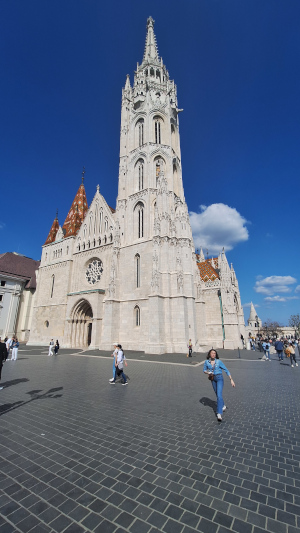
Matthias Church – Iconic Architecture in Budapest
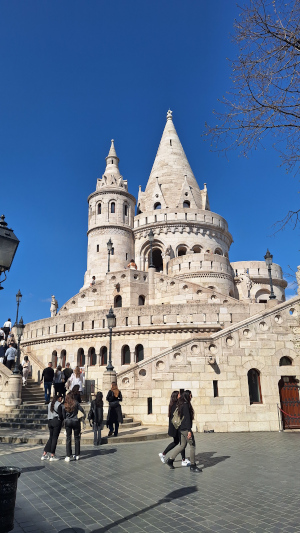
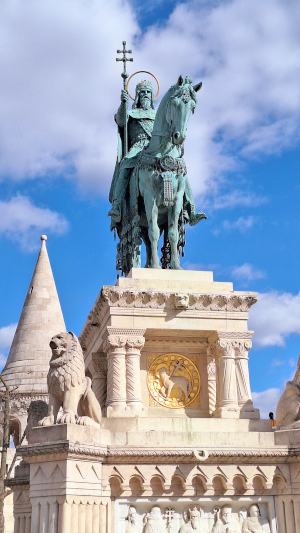
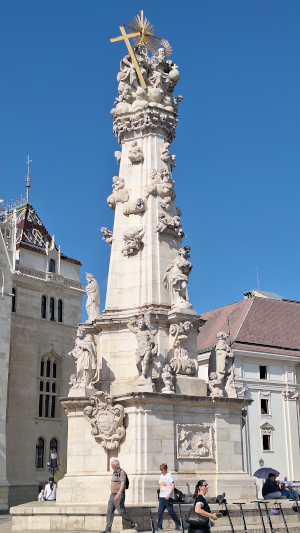
Exploring the stunning architecture of Budapest Castle District.
🏙️ Introduction to Buda and Pest: The Heart of Budapest.
Since the fall of communism in 1989, Budapest has undergone a remarkable transformation. The city has embraced its rich history while evolving into a vibrant hub for both tourists and locals. The restoration of historic buildings, the emergence of trendy cafés, and the revitalisation of cultural institutions have made Budapest a welcoming destination for travellers.
Today, visitors can explore a city that celebrates its past while looking forward to a bright future. Budapest is spotless clean and feels safe, and the Hungarian people are welcoming and helpful to foreign visitors. It’s a great city to visit that will leave you hungry for more. Read on…
🏛️ Hungarian Parliament Building: A Must-Visit Site in Budapest.
The Hungarian Parliament Building (Országház) is an iconic landmark in Budapest, showcasing stunning Gothic Revival architecture. Completed in 1904 by architect Imre Steindl, it features a symmetrical façade, intricate details, and a prominent dome rising 96 meters. Országház is one of the largest parliamentary buildings globally, featuring 691 rooms, including a grand staircase and beautiful stained glass.
Visitor Experience
- Guided Tours: You can explore the interior, including the Holy Crown of Hungary in the central dome.
- Scenic Views: It is located along the Danube River and offers stunning views.
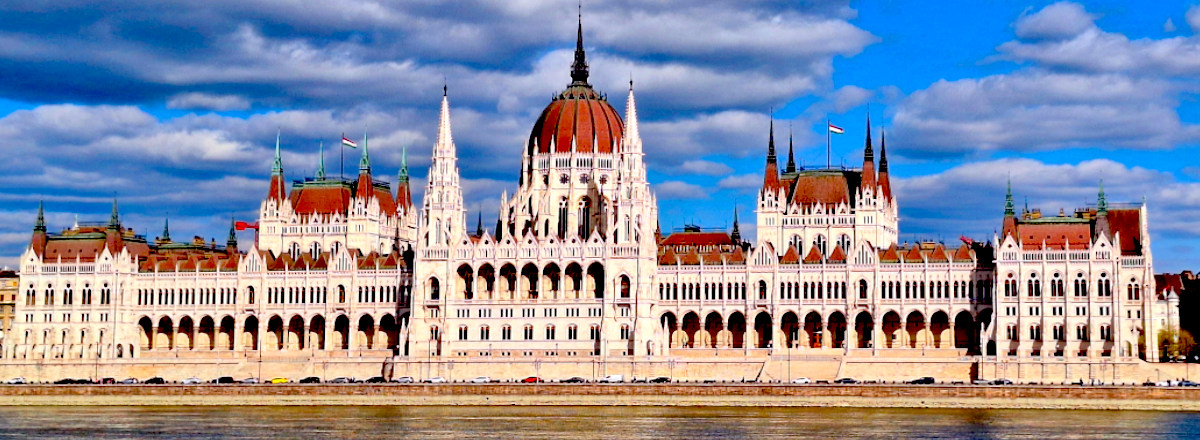
Budapest Parliament Building
Experience the grandeur of Budapest's Parliament Building, with a glimpse of the Danube River in the foreground.
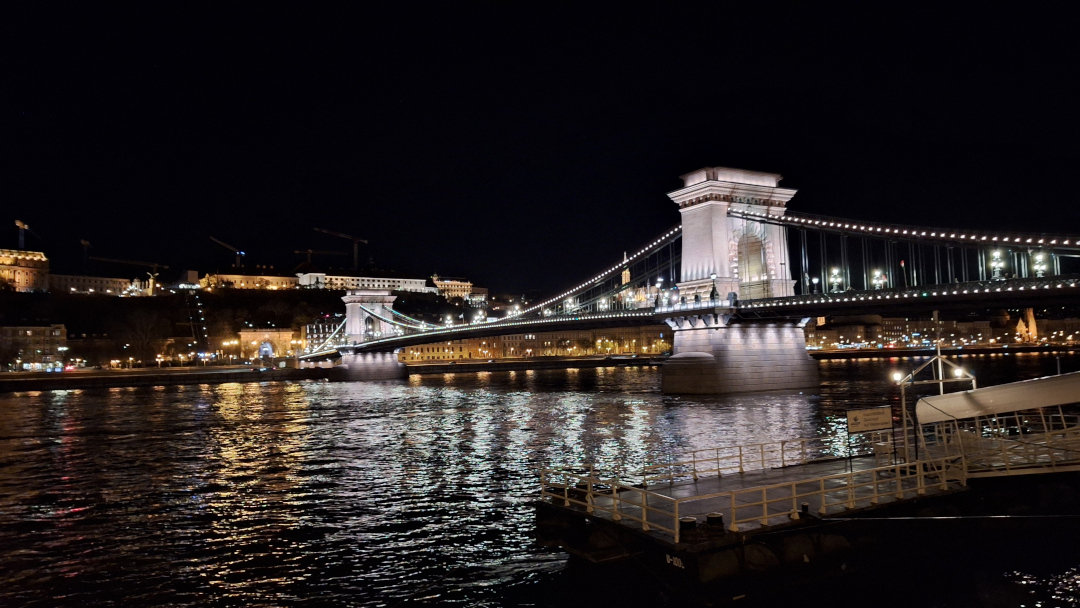
🌉 Széchenyi Chain Bridge: A Symbol of Budapest.
The Széchenyi Chain Bridge is an iconic suspension bridge in Budapest, Hungary, connecting Buda and Pest across the Danube River. Completed in 1849, it was the first permanent bridge linking the two sides and features stunning stone lions at its entrances. Designed by engineer William Tierney Clark. Most likely you will cross over the bridge multiple times as you go between the city’s attractions in Buda and Pest. Enjoy!
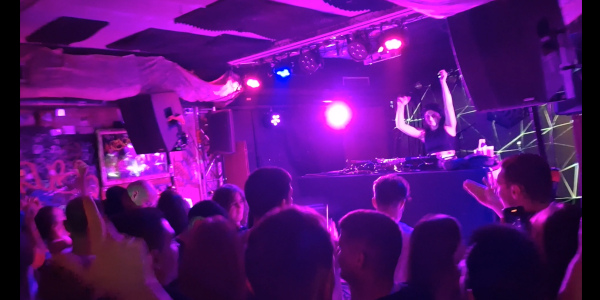
Hungry for Nightlife: Experience the Vibrant Scene.
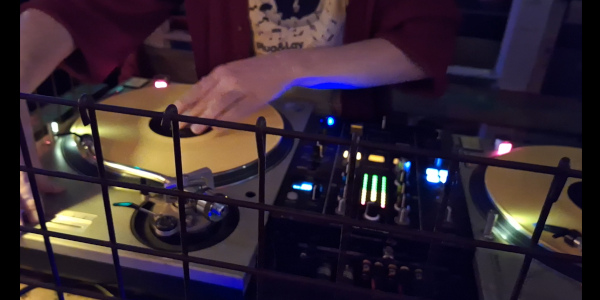
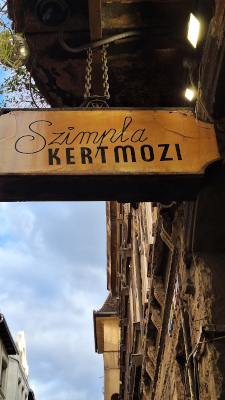
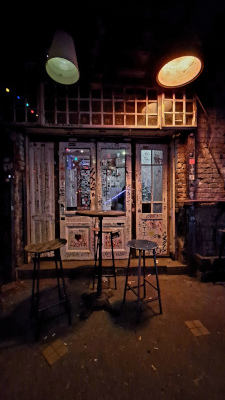
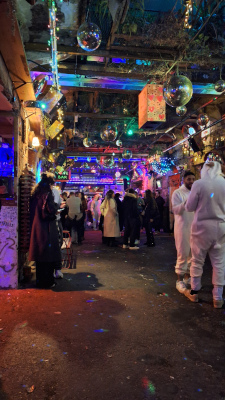
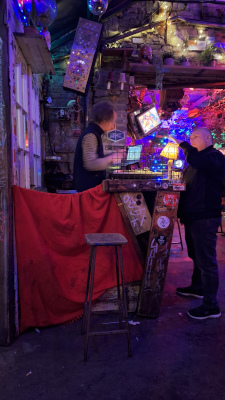
The nightlife in Budapest is as diverse as its culture. The Jewish Quarter (known as Zsidónegyed in Hungarian) is a lively area filled with ruin bars, trendy clubs, and entertainment venues. The entrance to the famous ruin bars, such as Szimpla Kert, is marked by the Hungarian name “Szimpla Kert,” inviting you to experience the eclectic atmosphere of these unique venues. Nearby, Kazinczy Street is a hotspot for karaoke clubs, restaurants, and nightclubs, making it a lively spot for nightlife enthusiasts.
Exploring the Jewish Quarter: A Cultural Gem.
Staying in the Jewish Quarter (known as Zsidónegyed in Hungarian) offers a unique glimpse into Budapest’s rich Jewish heritage. This area is home to the Dohány Street Synagogue, the largest in Europe, and a number of traditional Jewish restaurants. The entrance to the famous ruin bars, such as Szimpla Kert, is marked by the Hungarian name “Szimpla Kert”, inviting you to experience the eclectic atmosphere of these unique venues.
Nearby, you’ll find an entertainment centre filled with karaoke clubs, restaurants, and nightclubs on Kazinczy Street, making it a lively spot for nightlife enthusiasts. The Jewish Quarter is also dotted with charming cafes and shops, creating a vibrant atmosphere that reflects the community’s resilience and creativity.
Hungarian Cuisine: A Culinary Journey.
Hungarian cuisine is a feast for the senses, with hearty dishes that reflect the country’s rich agricultural heritage. Be sure to try goulash, a warming stew made with beef, potatoes, and paprika. Another local favourite is pörkölt, a meat stew served with dumplings. Don’t miss out on chimney cakes (kürtőskalács), a sweet pastry cooked over an open flame, and indulge in the delightful variety of ice creams available throughout the city.
Public Transportation Options in Budapest
- Metro: With four lines (M1, M2, M3, M4), the metro quickly connects key districts and attractions.
- Trams: An extensive tram network, especially Tram 2 along the Danube, offers reliable service for sightseeing.
- Buses: Complementing the metro and trams, buses cover areas beyond the main routes.
- Trolleys and Funiculars: Trolleybuses are eco-friendly, while funiculars like the one to Buda Castle provide stunning views.
Navigating Budapest is straightforward:
- Frequency: Trains and buses run frequently, reducing wait times.
- Affordability: Tickets and passes are budget-friendly.
- Accessibility: Many signs are in English, aiding non-Hungarian speakers.
- Biking: The MOL Bubi bike-sharing system offers an enjoyable way to explore.
Onward Travel Options from Budapest
Budapest is a well-connected hub for travel to other European cities:
- Train: International trains from Keleti and Nyugati stations link to Vienna, Prague, Bratislava and more.
- Bus: Companies like FlixBus provide budget-friendly routes throughout Europe.
- Flights: Budapest Ferenc Liszt International Airport connects to major capitals.
- Car Rentals: Renting a car allows flexibility for surrounding excursions.
Overall, Budapest’s transport options make exploring both the city and beyond efficient and enjoyable.